Archives
- 2026-11
- 2026-10
- 2026-09
- 2026-08
- 2026-07
- 2026-06
- 2026-05
- 2026-04
- 2026-03
- 2026-02
- 2026-01
- 2025-12
- 2025-11
- 2025-10
- 2025-09
- 2025-03
- 2025-02
- 2025-01
- 2024-12
- 2024-11
- 2024-10
- 2024-09
- 2024-08
- 2024-07
- 2024-06
- 2024-05
- 2024-04
- 2024-03
- 2024-02
- 2024-01
- 2023-12
- 2023-11
- 2023-10
- 2023-09
- 2023-08
- 2023-07
- 2023-06
- 2023-05
- 2023-04
- 2023-03
- 2023-02
- 2023-01
- 2022-12
- 2022-11
- 2022-10
- 2022-09
- 2022-08
- 2022-07
- 2022-06
- 2022-05
- 2022-04
- 2022-03
- 2022-02
- 2022-01
Introduction Lipoxygenases LOXs are key enzymes that catalyz
2024-10-10
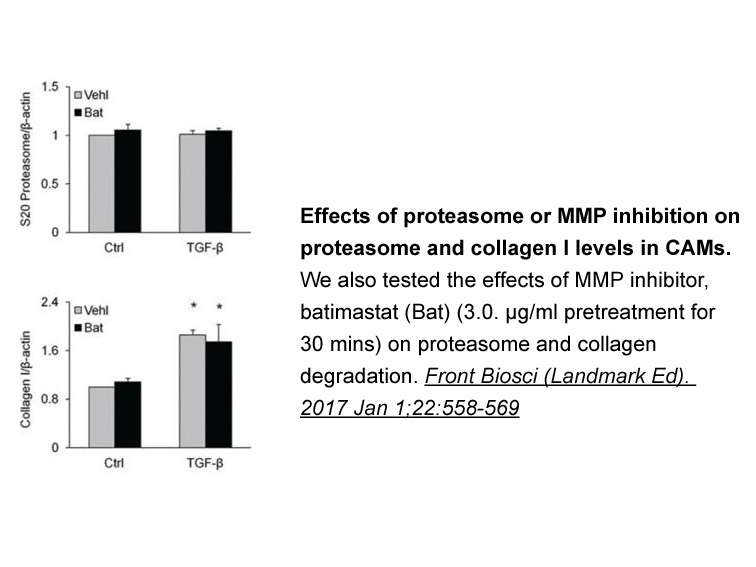
Introduction Lipoxygenases (LOXs) are key enzymes that catalyze the polyunsaturated fatty acids (PUFAs) such as arachidic AG-014699 receptor (AA), linoleic acid (LA) and others unsaturated fatty acids (Brash, 1999). LOXs are expressed in immune, neural, epithelial, tumor cells and other cells (Cla
br A Rs which were cloned and then pharmacologically
2024-10-10
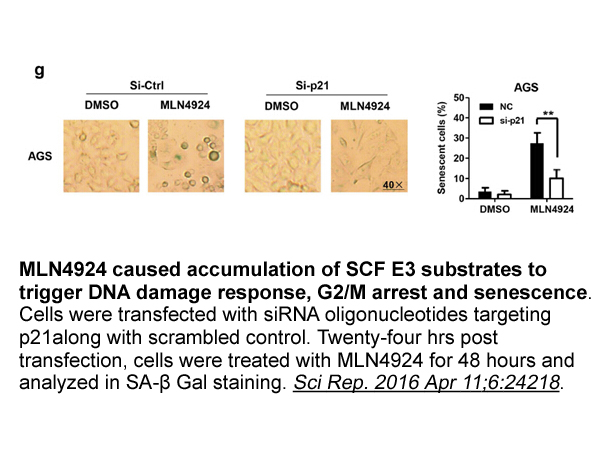
A3Rs, which were cloned and then pharmacologically identified in the early 1990s, are expressed in multiple organs and peripheral tissues including Immunology Compound Library involved in inflammatory responses (Gessi et al., 2008, Borea et al., 2014). While low levels are expressed in the CNS, A3
br Introduction In myasthenia gravis
2024-10-09
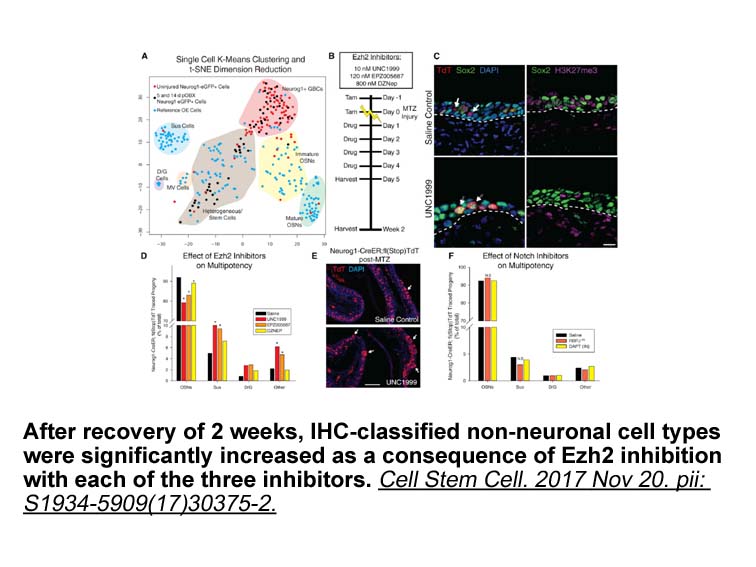
Introduction In myasthenia gravis (MG), autoantibodies against the native AChR conformation cause loss of AChR at the neuromuscular junction and fatigable muscle weakness (Newsom-Davis et al., 1993). The AChR is a pentameric transmembrane protein, with two splice forms of the α-subunit, P3A− and
Introduction Lysophosphatidic acid LPA is a key
2024-10-09
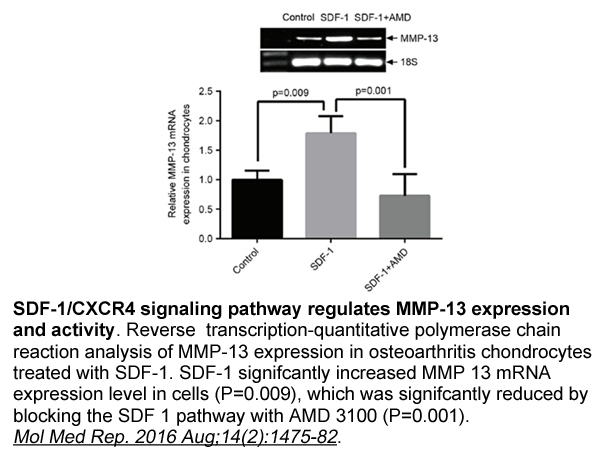
Introduction Lysophosphatidic lot xx (LPA) is a key, serum-borne phospholipid, regulating a number of cellular processes such as proliferation, migration and differentiation through its interaction with G-protein coupled receptors. LPA receptor signaling has been implicated in several disease stat
Aurora kinases were initially identified as protein kinases
2024-10-09
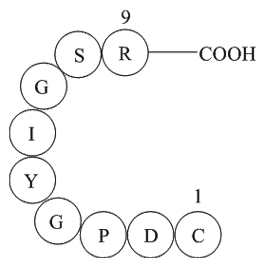
Aurora kinases were initially identified as protein kinases essential for error-free chromosome segregation during mitosis and meiosis. Aurora A appears to control premetaphase events, such as bipolar spindle assembly 3, 4, with Aurora B and C directing metaphase and postmetaphase events, including
Aurora B is also known as
2024-10-09
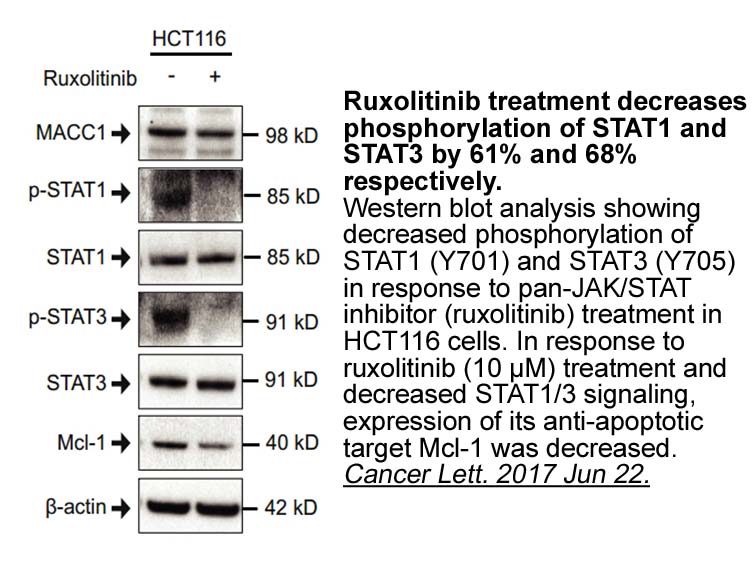
Aurora-B is also known as chromosomal passenger protein and localizes at the chromosome arms and at centromeres during prophase. As cell cycle continues, Aurora-B moves towards the inner centromere region followed by the central spindle and cortex during 2076 and finally accumulates in the midbody
br Conclusions A large body of evidence indicates that oxida
2024-10-09
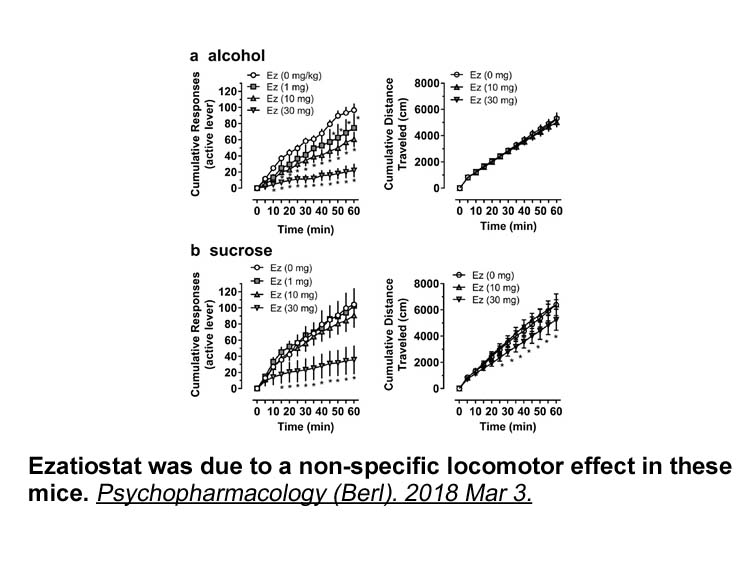
Conclusions A large body of evidence indicates that oxidative stress is involved in the pathogenesis of NDDs. Hence, reducing oxidative stress or suppressing its downstream pathways may be beneficial for the treatment of these diseases, especially such chronic diseases as AD or glaucoma. Here we
PH-797804 To further address the mechanism of Didox s suppre
2024-10-09
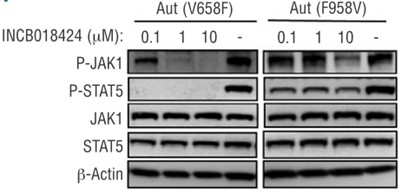
To further address the mechanism of Didox’s suppressive effects on mast cell activation, FceRI receptor PH-797804 and downstream transcription factor induction were assessed. We found that Didox had no effect on FceRI surface expression, and thus concluded that Didox effects must be occurring downs
According to the phytochemical screening Lophira procera
2024-10-09
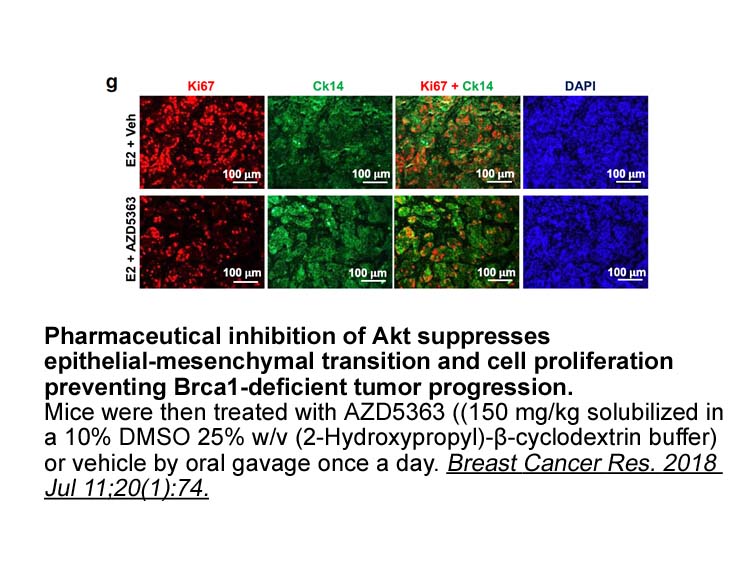
According to the phytochemical screening, Lophira procera is rich in phenolic compounds including total polyphenols, total flavonoids, tannins and proantocianidins. It has been reported that there is a correlation between total polyphenol content and antioxidant activity [29]. The present invention
In summary our data have shown that one mechanism by
2024-10-09
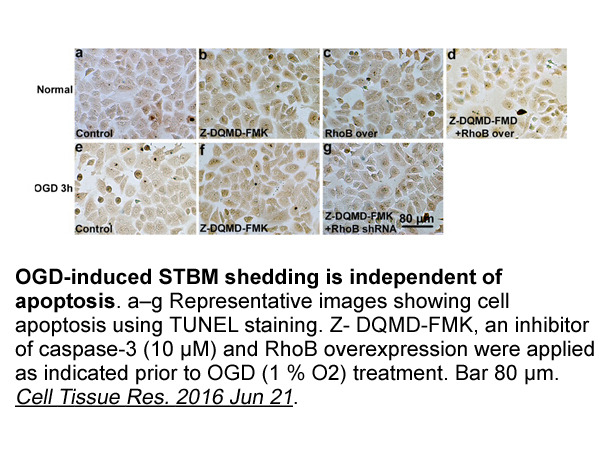
In summary, our data have shown that one mechanism by which glucose may mediate monocyte–endothelial cell interaction in the retinal endothelial cells is via the 12/15-LO pathway Furthermore, our current and previously published data [20,22] indicate a differential role of endothelial 12/15-LO versu
br ABCA and cancer drug response Overall
2024-10-08
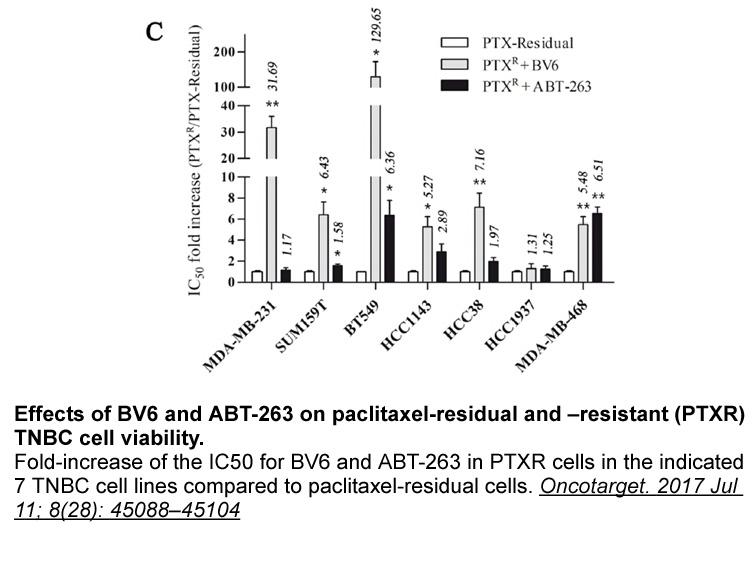
ABCA2 and cancer drug response Overall, the expression of ABC transporters has been linked with multidrug resistance phenotypes through the efflux of drugs via ATP-dependent transport. For example, 13 distinct transporters (ABCA2, ABCB1, ABCB4, ABCB11, ABCC1–6 ABCC10, ABCC11 and ABCG2) have been
br Adiponectin receptors in colorectal
2024-10-08
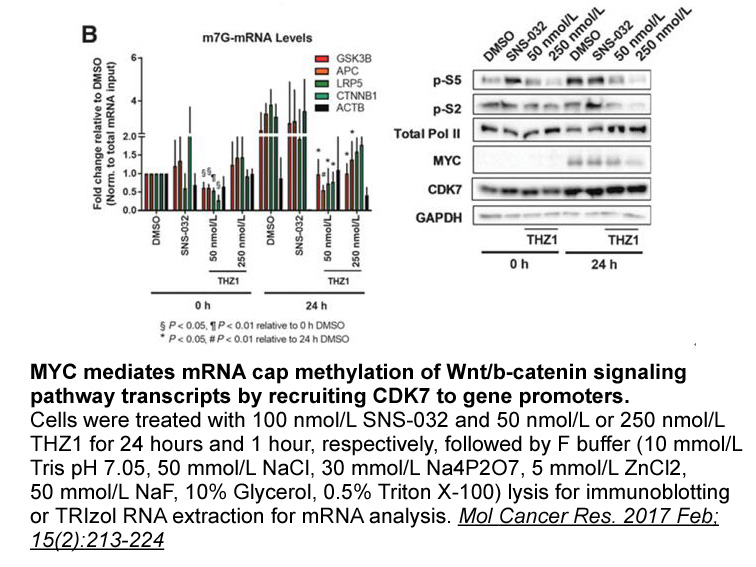
Adiponectin receptors in colorectal cancer development APN receptors expressed in CRC tissue may mediate its effects on cell expansion and cell death (Byeon et al., 2010). It was observed that the expression of AdipoR1 and 2 is higher in CRC tissue than in counterpart healthy tissues (Williams et
In another study authors found that ADORA were present
2024-10-08
In another study, authors found that ADORA1 were present on the intrinsically photosensitive retinal ganglion transcription factor (ipRGCs), and application of adenosine to rat retinas reduced light-evoked spiking of ipRGCs through suppression of a cAMP-mediated pathway (Sodhi and Hartwick, 2014). T
Ultraviolet UV spectroscopy is commonly used for screening p
2024-10-08
Ultraviolet (UV) spectroscopy is commonly used for screening potential ADA inhibitors [15]. In the UV method, the ADA reaction is calculated by measuring the decrease in absorbance of the substrate at 265 nm or increase in absorbance of the product at 248 nm. However, AD and inosine share a very clo
In conclusion two novel series of furo pyrimidin amines
2024-10-08
In conclusion, two novel series of furo[2,3-]pyrimidin4-amines and 7-pyrrolo[2,3-]pyrimidin-4-amines which exhibit potent in vitro inhibitor activity against ACK1 have been identified and evaluated. 1,3-Dithiolane-substituted pyrrolopyrimidine displays excellent ACK1 cellular inhibition, good kinase
8438 records 110/563 page Previous Next First page 上5页 106107108109110 下5页 Last page