Archives
- 2026-09
- 2026-08
- 2026-07
- 2026-06
- 2026-05
- 2026-04
- 2026-03
- 2026-02
- 2026-01
- 2025-12
- 2025-11
- 2025-10
- 2025-09
- 2025-03
- 2025-02
- 2025-01
- 2024-12
- 2024-11
- 2024-10
- 2024-09
- 2024-08
- 2024-07
- 2024-06
- 2024-05
- 2024-04
- 2024-03
- 2024-02
- 2024-01
- 2023-12
- 2023-11
- 2023-10
- 2023-09
- 2023-08
- 2023-07
- 2023-06
- 2023-05
- 2023-04
- 2023-03
- 2023-02
- 2023-01
- 2022-12
- 2022-11
- 2022-10
- 2022-09
- 2022-08
- 2022-07
- 2022-06
- 2022-05
- 2022-04
- 2022-03
- 2022-02
- 2022-01
-
The main function of ATR CHK
2023-03-02
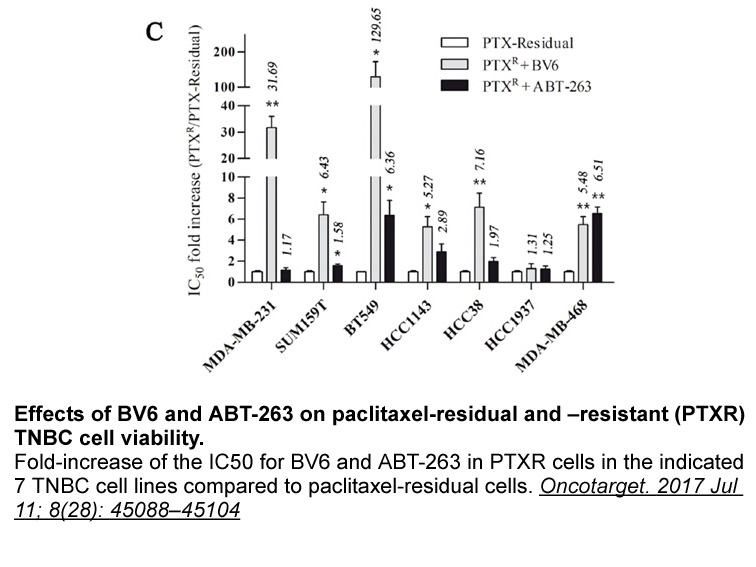
The main function of ATR/CHK1 signaling is activating Chlorambucil receptor checkpoint arrest for S and G2 phases in mammalian cells. There are three checkpoints in response to DNA damage: G1/S, G2/M, and S-phase. The G2/M checkpoint can prevent cells that incur DNA damage in G2 phase or progress in
-
Finally not only can ERs pair
2023-03-02

Finally, not only can ERs pair with different mGluRs in different AP1903 regions, but it is becoming increasingly clear that the same mGluRs can pair with distinct downstream signaling partners to have differential effects both within and across brain regions (Gross et al., 2016; Mannaioni et al.,
-
The transcription factor activator protein
2023-03-01
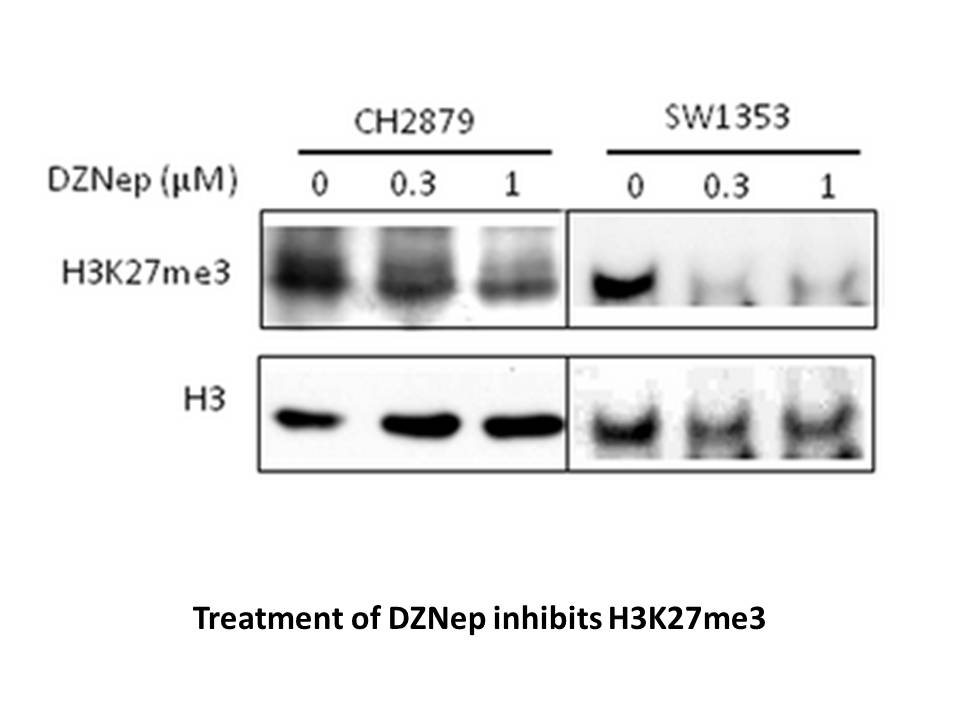
The transcription factor activator protein-1 (AP-1) is a redox-sensitive transcription factor whose activity is controlled by agents that perturb intracellular thiol concentrations [10,11]. AP-1 is mainly composed of Jun, Fos, and ATF protein dimers [12,13]. AP-1 mediates the regulation of numerous
-
br Conclusion We present here
2023-03-01
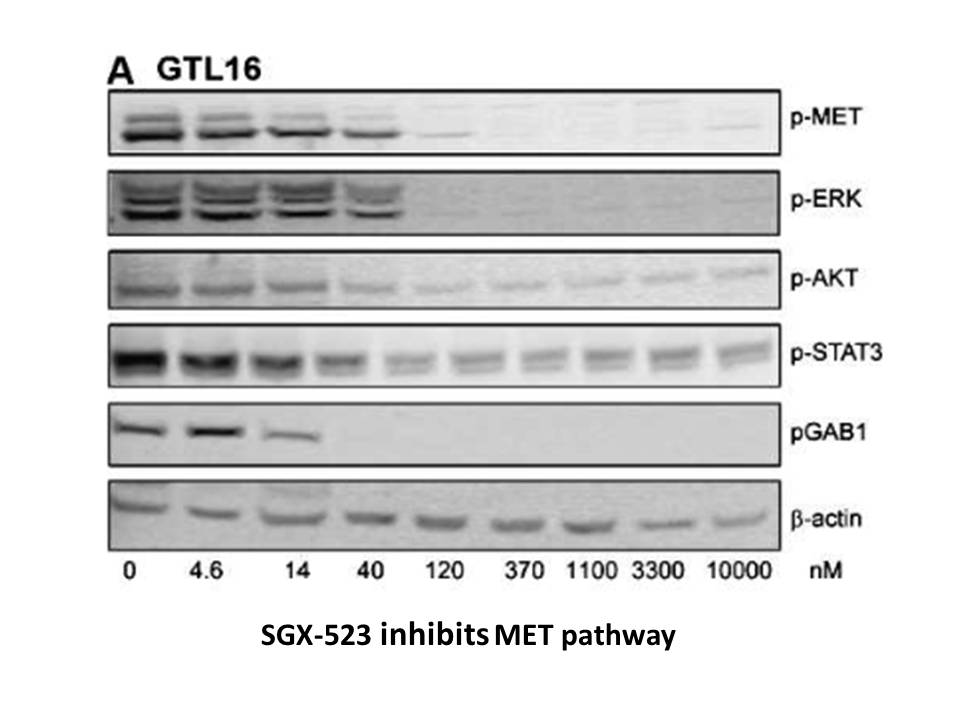
Conclusion We present here the first comprehensive analysis of B-Raf-induced transcriptional activation in insulinoma cells. The B-Raf-induced signaling cascade targets the c-Fos and the c-Jun genes. Both gene products are constituents of the AP-1 transcription factor. The phosphatases MKP-1 and
-
The PDZ domains of DLG interact
2023-03-01
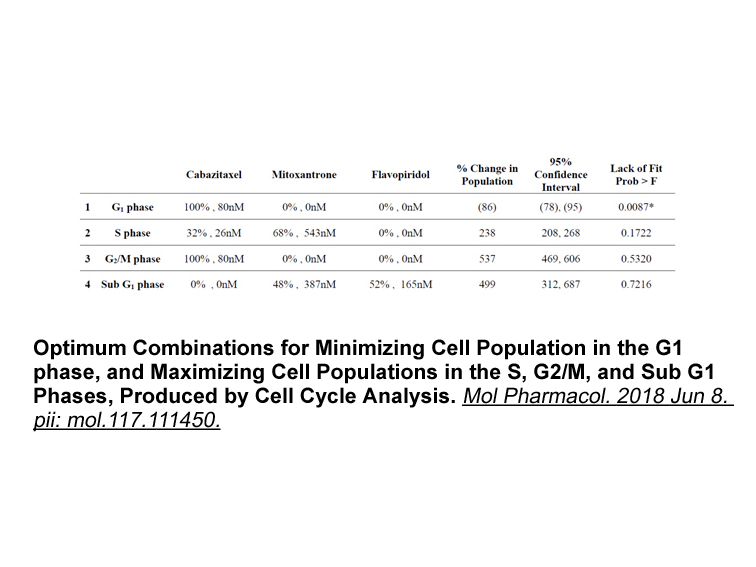
The PDZ domains of DLG interact with tumor suppressor proteins, APC and PTEN, as well as with several viral oncoproteins such as the E6 protein present in oncogenic human papillomavirus (reviewed in [177]). It has been reported that overexpression of DLG in fibroblasts impairs the events in the G0/G
-
coelenterazine In a missense mutation at codon of the PRNP
2023-03-01
In 1989, a missense mutation at codon 102 of the PRNP gene was first reported to be associated with GSS and, in 1991, the same mutation was also found in affected members of the “H” family (Hsiao et al., 1989; Kretzschmar et al., 1991). By 1995, the pedigree of the “H” family included 221 family mem
-
Beauvericin br Conflict of interest statement br Introductio
2023-03-01

Conflict of interest statement Introduction Tanshinone IIA (Tan IIA) is a major active component of Salvia miltiorrhiza (S. miltiorrhiza), a well-known Chinese traditional medicine that is used for the treatment of cardiovascular and cerebrovascular diseases [1]. Tan IIA exhibits diverse pharm
-
Synaptic scaling up is induced
2023-03-01

Synaptic scaling up is induced within primary visual terbinafine hydrochloride (V1) by brief sensory deprivation (Desai et al., 2002; Lambo and Turrigiano, 2013). Several studies have examined the transcriptional changes within extracts of V1 following visual deprivation protocols (Lachance and Chau
-
A previous study reported that
2023-03-01
A previous study reported that the serotonergic mechanism was involved in the psychological stress-induced alteration in synaptic plasticity in the rat hippocampal CA1 field (Matsumoto et al., 2004). Sumitaka Inoue et al. (Inoue et al., 2014) reported that pretreatment with a 5-HT1A receptor partial
-
Inactivation of autophagy can also impact the surface intern
2023-03-01
Inactivation of autophagy can also impact the surface internalization of MHC I molecules, leading to increased antigen presentation. Inactivation of autophagy factors Atg5 and Atg7 in DCs causes elevation of MHC I surface levels by decreasing endocytosis due to a poor recruitment of adaptor-associat
-
As cytosolic acetyl CoA levels in hepatocytes descend cellul
2023-02-28
As cytosolic acetyl-CoA levels in hepatocytes descend, cellular production and concentration of cholesterol go down, a change that is known to be sensed by the Sterol response element binding protein (SREBP)/Cleavage-Activating Protein system, leading to SREBP escort to the Golgi apparatus, cleavage
-
Activated MAP kinases transform the stimulus into the pathop
2023-02-27
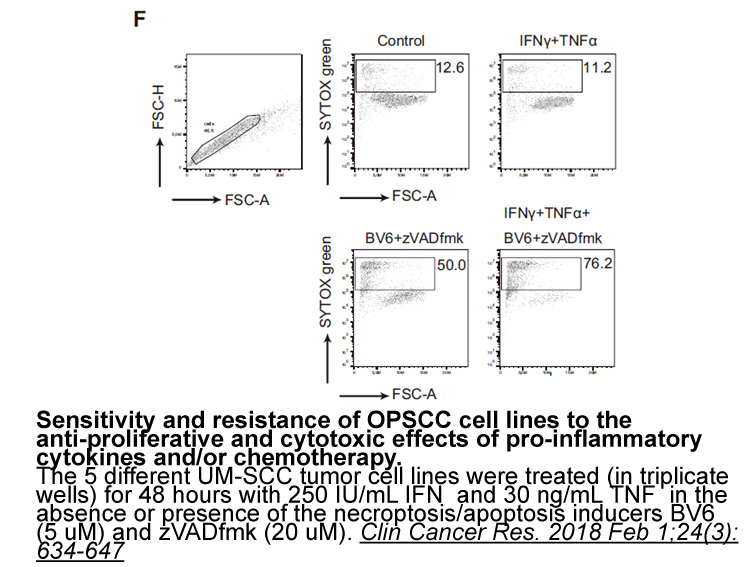
Activated MAP kinases transform the stimulus into the pathophysiological responses by phosphorylating downstream substrates, including transcription factors, cytoskeletal proteins involved in mRNA translation (Li et al., 2015). Among the numerous effectors that intervene in the TNF-α action is an ac
-
In Antirrhinum floral organ identity genes include DEFICIENS
2023-02-25
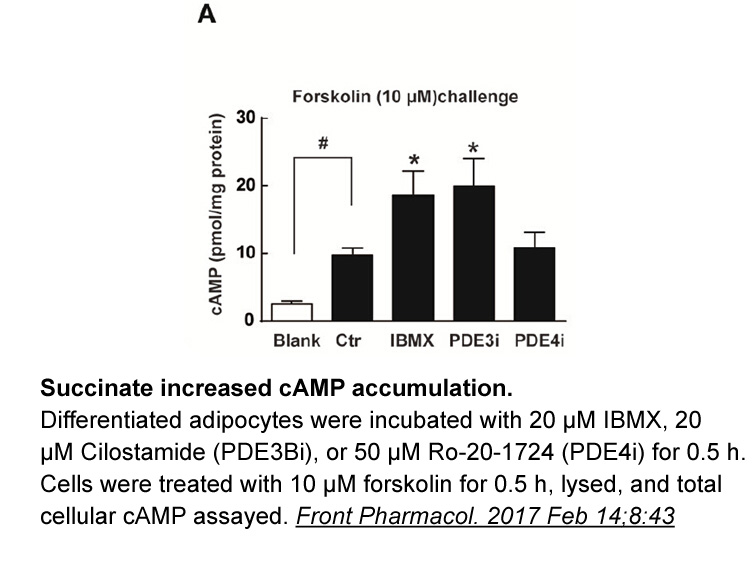
In Antirrhinum, floral organ identity genes include DEFICIENS (DEF) (Sommer et al., 1990) and GLOBOSA (GLO) (Trobner et al., 1992) required for petal and stamen identity (B-function), PLENA (P) required for stamen and carpel formation (C-function) (Bradley et al., 1993) and SQUAMOSA (SQUA) which is
-
F is an orotomide a novel class of antifungals which
2023-02-25
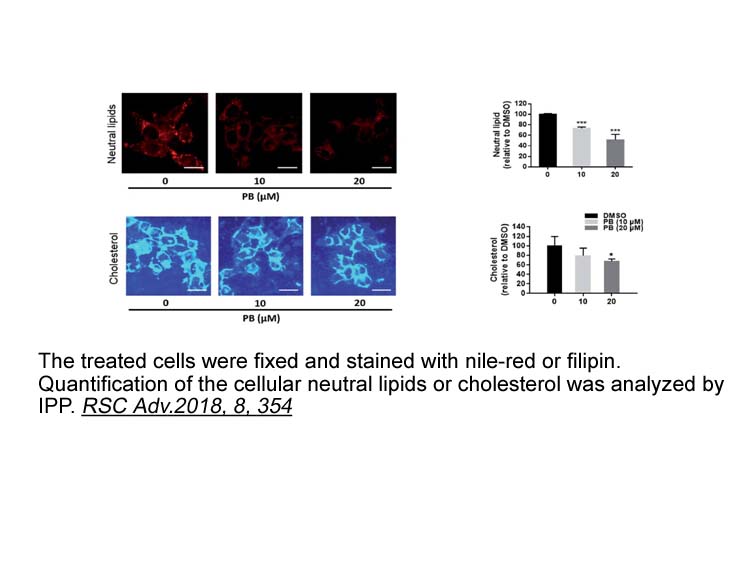
F901318 is an orotomide, a novel class of antifungals, which inhibits pyridine biosynthesis by blocking dihydroorotate dehydrogenase (URA1) activity [137]. Although this pathway is conserved in humans, human URA1 is only 20% identical to its fungal homolog and it is inhibited 2000-fold less effectiv
-
br Conclusions br Introduction In
2023-02-25
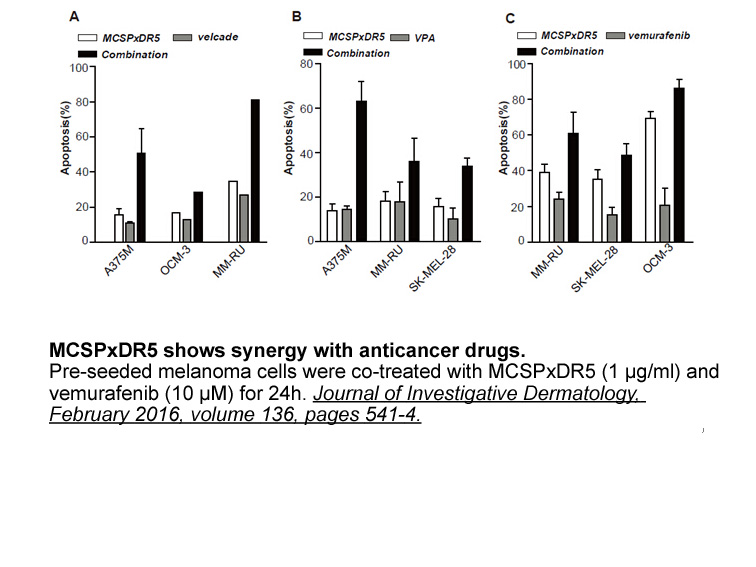
Conclusions Introduction In the modern life of humans, Y-27632 are widely prescribed for therapy against bacterial diseases to prevent the onset of bacterial infections during a viral disease (Goossens et al., 2005; Van Boeckel et al., 2014). They have been massively administered and persist
8366 records 379/558 page Previous Next First page 上5页 376377378379380 下5页 Last page